Most facial advice is written for skin that lives somewhere mild. A menu that makes sense in Seattle or Chicago assumes your face spends the year in moderate humidity, moderate sun and moderate temperatures.
Phoenix offers none of those. We get more than 100 days a year at 100 degrees or hotter, spring and early summer afternoons where the humidity sits in the single digits, a UV index that reaches 10 or higher for most of the summer, and a monsoon that swaps the dry heat for sticky heat and dust for a couple of months. Your skin is dealing with all of it, often in the same week.
So the honest answer to "which facial should I get?" in Arizona depends as much on the month as on your skin type. This guide covers what the desert actually does to your face, every facial on our menu and who it is for, and how to time them around the Phoenix calendar.
What the desert does to your skin
Dry air pulls water out. Skin constantly loses water to the air around it, and the drier the air, the faster that happens. At 8 percent humidity, your face is giving up moisture all day. Then you walk into air conditioning, which dries the air further. The result is dehydration, which is different from dry skin: it is a shortage of water, not oil, and plenty of oily skin is dehydrated underneath.
Heat drives oil and sweat. Sebum output climbs as skin temperature rises. Add sweat, a proper layer of sunscreen (reapplied, we hope) and the fine dust that hangs in the air here, and pores congest along the jaw, the nose and the forehead. This is the Phoenix paradox we see every summer: skin that is oily on the surface and tight underneath at the same time.
The sun never really takes a season off. Our UV is intense from late spring into fall, and with close to 300 sunny days a year, even a January afternoon on the patio adds up. That shows up as freckling, uneven patches and roughness. Heat itself can also darken melasma, not only UV, which is why some people's pigment gets worse in July even when they are careful with sunscreen.
The extras add up. Hard, mineral-heavy tap water, chlorinated pools, long hot showers and car interiors that hit 150 degrees all ask a little more of your skin barrier.
Put it together and the typical Arizona complexion is dehydrated, congested and a bit pigmented, all at once. A good facial here has to clear without stripping, hydrate without clogging, and never leave the skin more fragile than it found it heading back out into the sun.
Every facial on our menu, and who it is for
Prices below are current as of October 2026. The facials page always shows today's.
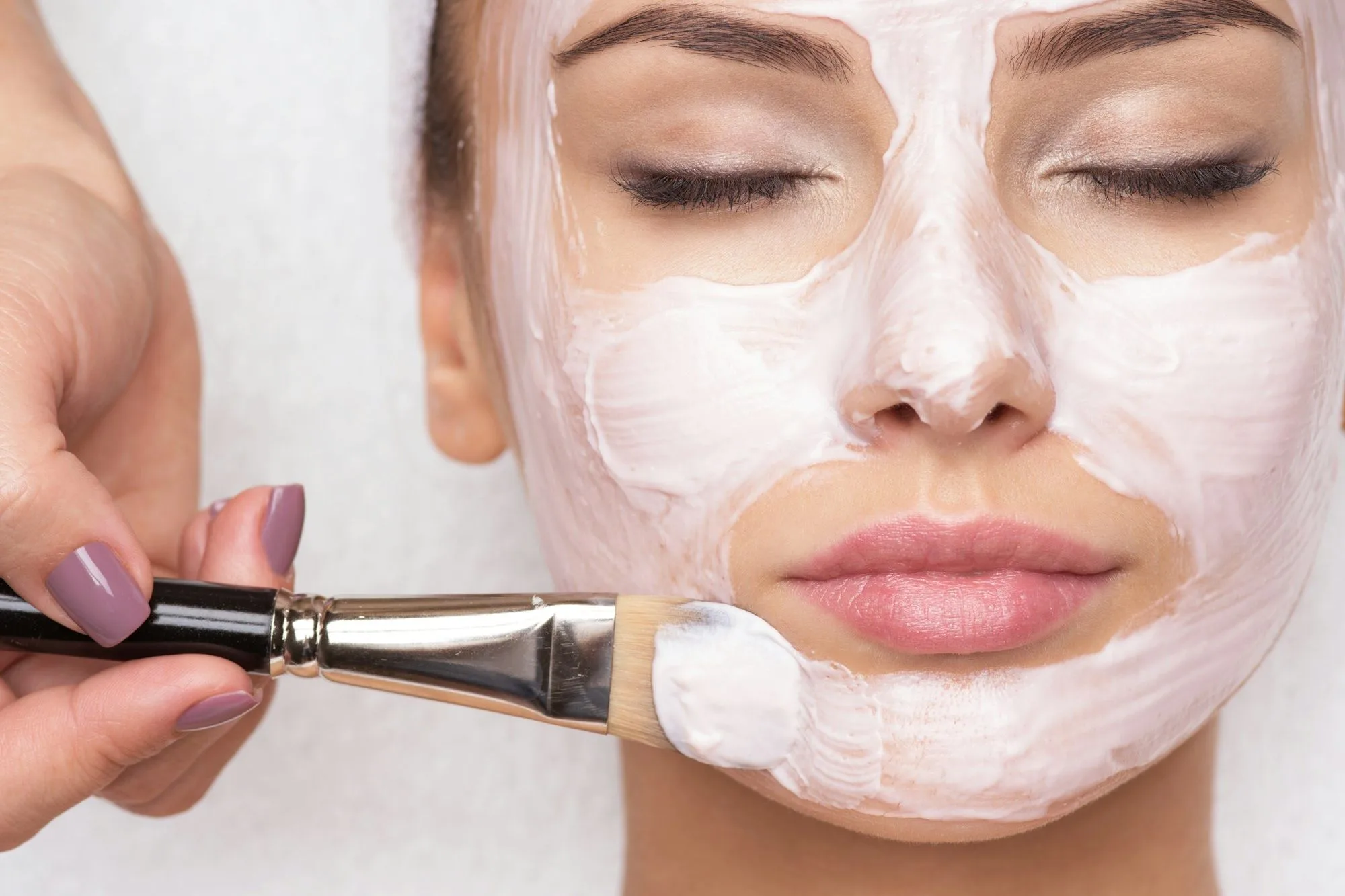
Signature Facial (60 minutes, $99). Our classic facial: a skin assessment, deep cleanse, exfoliation, steam, extractions where you need them, a mask chosen for your skin that day, and hydration to finish. It is the right first facial for almost anyone and the best value for regular maintenance. In summer, the extractions are the part that earns its keep, because congestion builds faster here than people expect.
Express Dermaplane (45 minutes, $59). An esthetician uses a sterile blade to gently remove the top layer of dead skin and the fine vellus hair, sometimes called peach fuzz. Skin looks brighter immediately, feels smooth, and makeup sits flat instead of catching on texture. No, the hair does not grow back thicker or darker. More in our dermaplaning guide.
Dermaplane Facial (70 minutes, $130). The full Signature Facial with dermaplaning built in. Removing that dead layer first means everything that follows, from the mask to the hydration, gets to fresh skin. A good pick when your skin looks dull and dry at the same time, which in Phoenix is most of the winter.
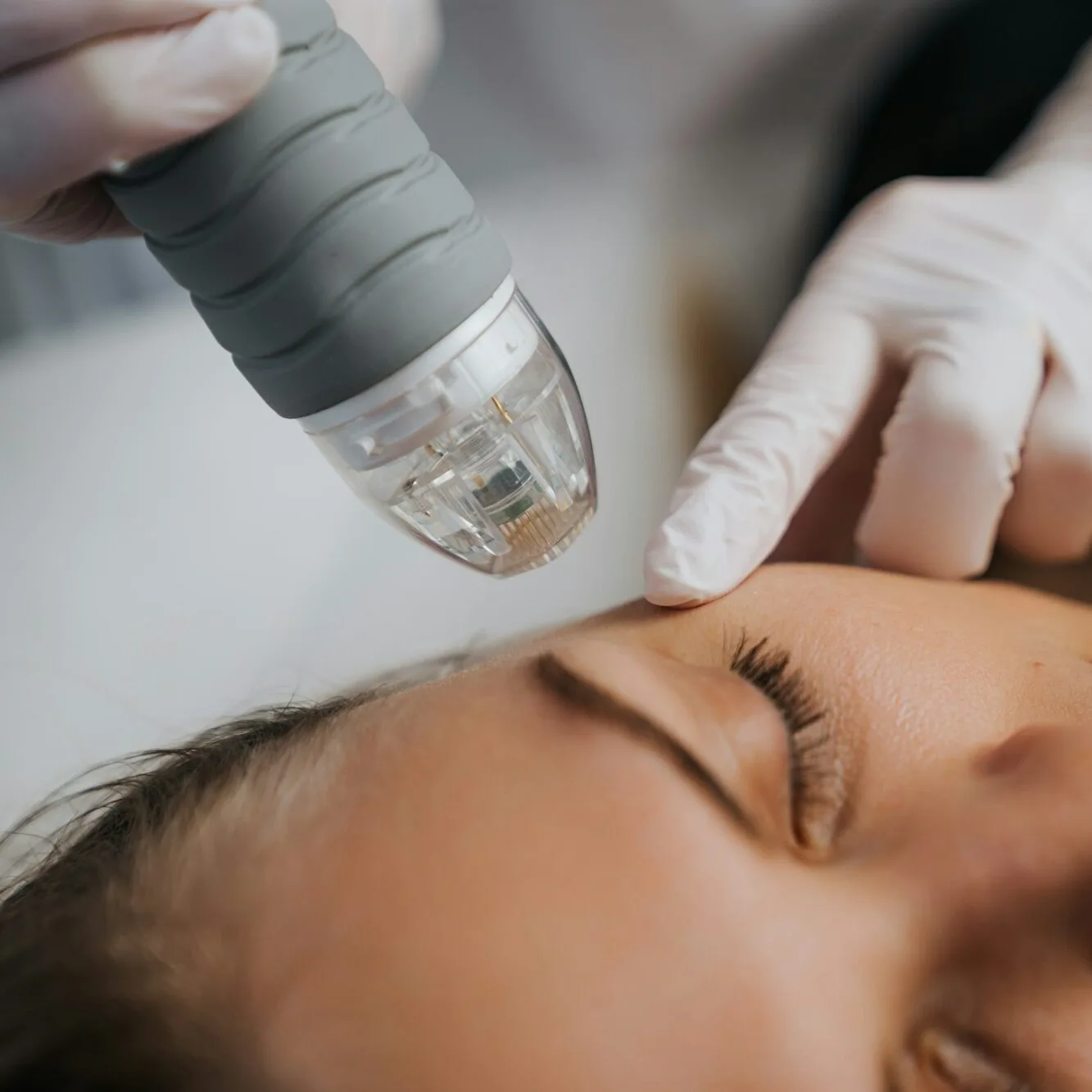
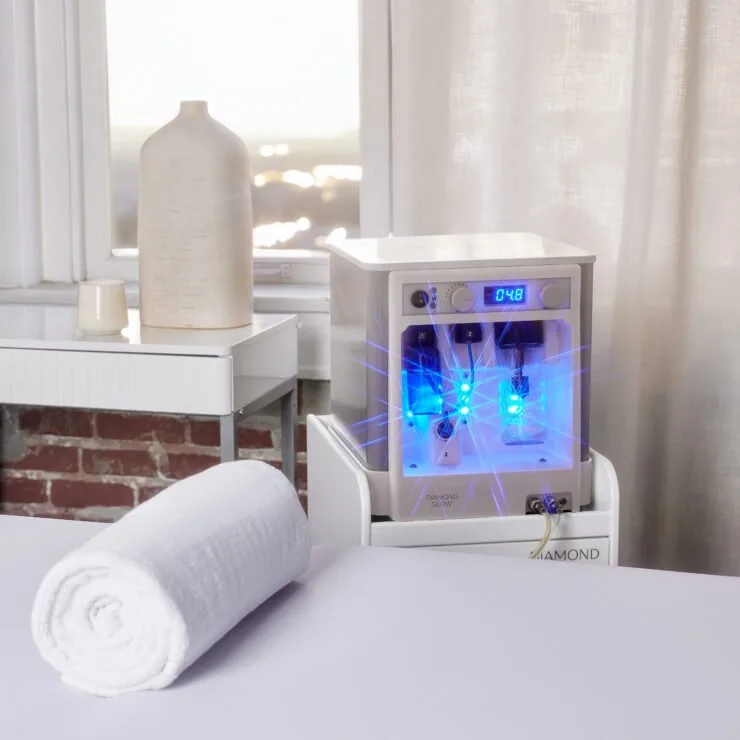
DiamondGlow (60 minutes, $189.99). A three-in-one treatment. A diamond-tip wand exfoliates while gentle suction lifts out what is clogging your pores, and a serum matched to your concern is infused into the skin in the same pass. Because it clears and hydrates at once, DiamondGlow is the treatment we reach for most often for oily-but-dehydrated desert skin. No needles, no downtime. If you are weighing it against the other famous wet-resurfacing facial, we compared them in DiamondGlow vs HydraFacial.
Fire & Ice Facial (60 minutes, $175). An intensive resurfacing treatment built around two masks: a warming resurfacing mask that does the work, then a cooling, hydrating mask that calms everything down. Skin comes out tight, bright and smooth, with nothing to hide afterwards, which is why people book the Fire & Ice Facial before weddings, photos and reunions. The first mask is genuinely intense for a few minutes. Read what it feels like before your first one.
Chemical peels (from $100). A step beyond a facial. A peel uses a solution to lift away tired surface skin so what grows back is smoother and more even. Our chemical peel menu runs from low-downtime refreshers to deeper resurfacing peels that bring several days of flaking. Peels are the most effective tool on this list for sun damage and uneven tone, and also the one where timing matters most in Arizona.
Matching the facial to the Phoenix calendar
Here is how we think about the year, and what we would steer you toward in each stretch of it.
May through September: the heat. Congestion is the main event. Book for clearing and calming: the Signature Facial with thorough extractions, or DiamondGlow to clear and rehydrate in one visit. Keep exfoliation gentle and skip the deeper peels, since freshly resurfaced skin and a UV index of 11 are a bad combination. If you are prone to breakouts, every four weeks through the hot months is worth it. When the monsoon arrives in July, the sticky humidity and dust tend to make congestion worse before it gets better. Our post on the best facial for oily summer skin goes deeper on this season.
October and November: repair. This is when the summer shows up in the mirror. Start with a calming, hydrating facial to bring the barrier back, then move on to DiamondGlow or a lighter peel to clear the accumulated dead layer and start evening out tone. Rushing to the strongest treatment first tends to inflame tired skin, and inflammation makes pigment worse. We laid out the order in repairing summer sun damage.
December through February: the best months for real resurfacing. UV is at its lowest of the year, which makes winter the window for a course of stronger peels or a series of treatments aimed at pigment and texture. The air is dry and cool, so pair them with hydration: the Dermaplane Facial is a winter favorite. Holiday parties and New Year events also make this Fire & Ice season.
March and April: snowbird season and spring events. Pollen, wind and changing temperatures make skin more reactive than people expect, so go easy on exfoliation and lean on calming facials. With spring weddings and graduations on the calendar, a DiamondGlow or Fire & Ice about a week before the date gives you the glow without any risk of lingering redness. Our two-week skin plan before an event has the full countdown.
A quick picker by concern
"My skin is oily and tight at the same time." DiamondGlow. That combination is dehydration under congestion, and it needs both cleared and hydrated in one visit.
"Blackheads on my nose and breakouts along my jaw." The Signature Facial, with extractions done properly. Then a four-week rhythm through summer.
"My skin looks dull and my makeup will not sit right." Express Dermaplane on its own, or the Dermaplane Facial if your skin also feels dry.
"I have an event in ten days." Fire & Ice or DiamondGlow, about a week out. Never try something new for the first time two days before.
"Brown spots showed up after summer." A short series, starting gentle and building toward peels as the weather cools. One facial will brighten; a series is what fades pigment.
"My skin is sensitive and flushes in the heat." The Signature Facial, and tell us about the flushing when you book. We will keep it calm and skip anything warming. Fire & Ice is not the place to start.
"I have never had a facial." The Signature Facial. It is the best way to learn how your skin responds, and your esthetician will tell you what, if anything, to try next.
Aftercare in 110 degrees
A facial in Phoenix needs a little more aftercare than a facial in San Diego, mostly because of where you are walking afterwards.
Sunscreen is not optional. Freshly exfoliated skin burns and pigments more easily. Wear a broad-spectrum SPF of 30 or higher out of the building, reapply through the day, and add a hat if you will be outside. Mineral sunscreens tend to sit more comfortably on just-treated skin.
Skip heat and sweat for the rest of the day. After dermaplaning, DiamondGlow, Fire & Ice or a peel, give your skin the evening off from the sauna, hot tub, hot yoga and outdoor workouts. Heat and sweat on freshly resurfaced skin invite redness and irritation.
Stay out of the pool for a day. Chlorine on newly exfoliated skin stings and dries. Tomorrow is fine.
Hold off on your actives. Pause retinol, tretinoin and exfoliating acids for a few days afterwards, longer after a peel. Your esthetician will tell you when to restart.
Put water back in. Drink plenty, use a plain hydrating moisturizer, and if your skin always feels tight in the winter, a humidifier in the bedroom makes a noticeable difference in the desert.
Book with the weather in mind. In July, a late afternoon appointment means you head home as the sun drops, instead of crossing a parking lot at noon.
What a facial will not do
A facial is a real treatment, and it is also not magic. One visit gives you a glow that lasts from a few days to about a week. Lasting change, meaning clearer skin, fewer breakouts, more even tone, comes from a steady rhythm, usually every four to eight weeks depending on your goals. We wrote about finding yours in how often should you get a facial.
Facials support acne-prone skin but do not cure acne. They help with fine lines but do not erase deeper wrinkles; that is where Botox or microneedling comes in. And they work best on top of good daily care, which in Arizona mostly means sunscreen, gentle cleansing and a lot of water. Results vary from person to person, and we would rather tell you that up front.
Book a facial in North Phoenix
We are at 15414 N 7th St in North Phoenix, in the Moon Valley neighborhood, minutes from Sunnyslope and North Mountain and an easy drive from Paradise Valley, Deer Valley and Desert Ridge. If you are not sure which facial is right, book the Signature Facial and we will assess your skin and point you in the right direction from there. You can see the full menu on our facials page.