Two treatments, similar names, and a lot of confusion about whether one replaces the other.
It does not. Here is the direct comparison.
The mechanical difference
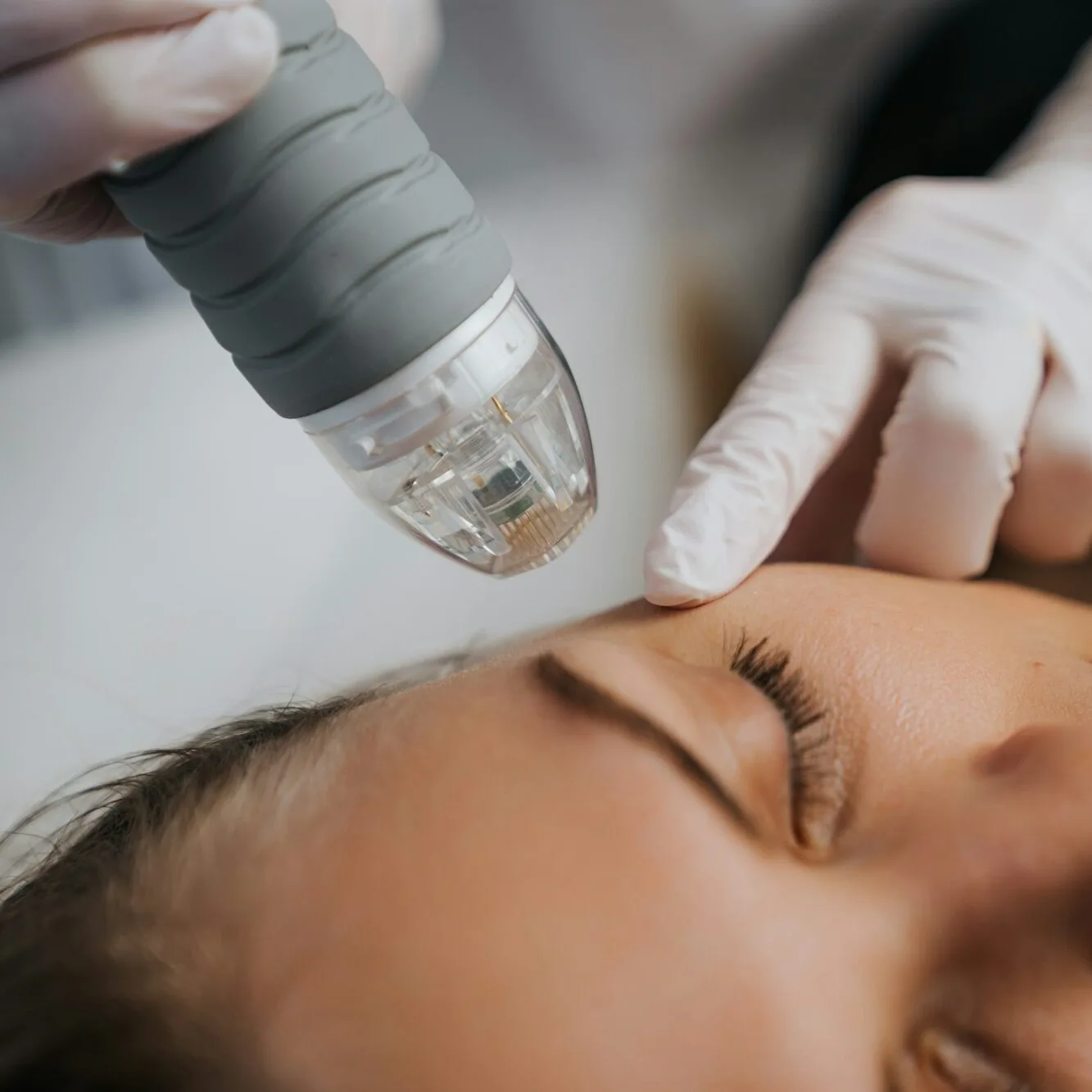
Traditional microneedling uses needles that penetrate into the dermis, typically 0.5 to 2.5 millimeters. That creates controlled injury, and your body's repair response produces new collagen and elastin.
The collagen is the point. The downtime is the cost of getting it.
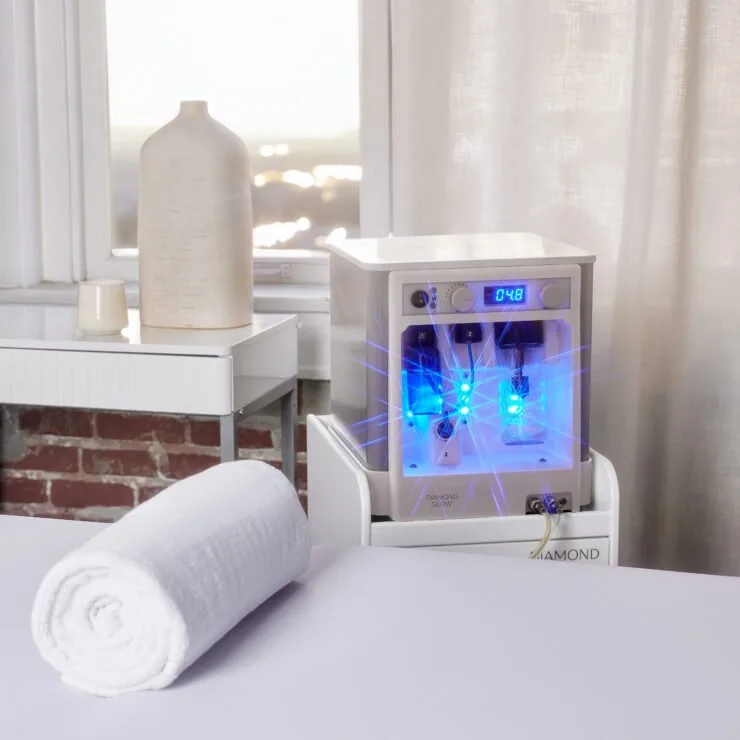
Liquid microneedling, also called nano-infusion or nano-needling, uses a nano-tip cartridge that creates temporary microchannels through the outermost layer of skin without piercing into the dermis.
No dermal injury means no wound healing cascade, which means no meaningful collagen production and no redness for three days.
Side by side
Depth: dermis versus stratum corneum.
Mechanism: collagen induction versus enhanced product delivery.
Downtime: one to three days pink, with flaking around day three to five, versus flushed for an hour.
Results appear: weeks to months, developing over three to six months, versus immediately, lasting one to three weeks.
Sessions: three to six, four to six weeks apart, versus every two to four weeks ongoing.
Numbing: required versus not required.
Cost: starts at $210 versus [CONFIRM PRICE].
Aftercare: strict for a week versus no actives for 24 hours.
Pick traditional microneedling if
You want acne scarring improved. This is not close. Liquid will not touch it.
You want enlarged pores actually changed rather than temporarily less visible.
You have fine lines or early texture change you want to treat structurally.
You are dealing with sun damage and uneven tone and want more than surface brightness.
You are willing to trade three days and a series of appointments for a result that lasts.
The short version: if you want your skin to be different in six months, this is the one.
Pick liquid microneedling if
You have an event inside a week.
Your skin is too reactive for dermal injury. Rosacea-prone, very sensitive, or on a medication that makes controlled wounding a bad idea.
You want a visible result with genuinely zero social downtime.
You are maintaining between traditional microneedling sessions.
It is a Phoenix July and you cannot commit to the sun avoidance that traditional microneedling requires here.
The short version: if you want your skin to look good next Friday, this is the one.
The July argument specifically
Traditional microneedling in a Phoenix summer requires real discipline. Two weeks with no tan or burn beforehand, seven days of serious sun avoidance afterward, and mineral SPF reapplied constantly.
If you are on a boat at Saguaro Lake every weekend or working outside, you cannot hold that, and needling anyway risks post-inflammatory hyperpigmentation. Which is the exact problem most people are trying to fix.
So the honest July recommendation for a lot of people is: liquid microneedling now, traditional starting in October. That is not a downgrade, it is correct sequencing.
Can you do both?
Yes, and it is a reasonable plan.
Traditional microneedling series in the fall and winter for the structural work. Liquid microneedling between sessions and through the summer for maintenance and events.
Do not do them in the same week. Give the skin a break.
What neither one does
Neither removes a discrete sun spot. That needs IPL or a targeted approach.
Neither tightens laxity. That is Morpheus8.
Neither treats dynamic lines from muscle movement. That is Botox.
Neither replaces daily sunscreen, which does more for your skin over ten years than any of it.
Book a consultation
Schedule a consultation or call (602) 391-8889 and we will point you at the right one.