The name is not marketing. It is a description.
People book the Fire & Ice facial because someone told them it makes skin look incredible before an event, which is true. Then they lie down, the first mask goes on, and about ninety seconds later they are quietly wondering whether this is supposed to be happening.
It is. Here is what is actually going on, so your first time is not a surprise.
Two masks, and only one of them is dramatic
The treatment is built around two layers applied in sequence.
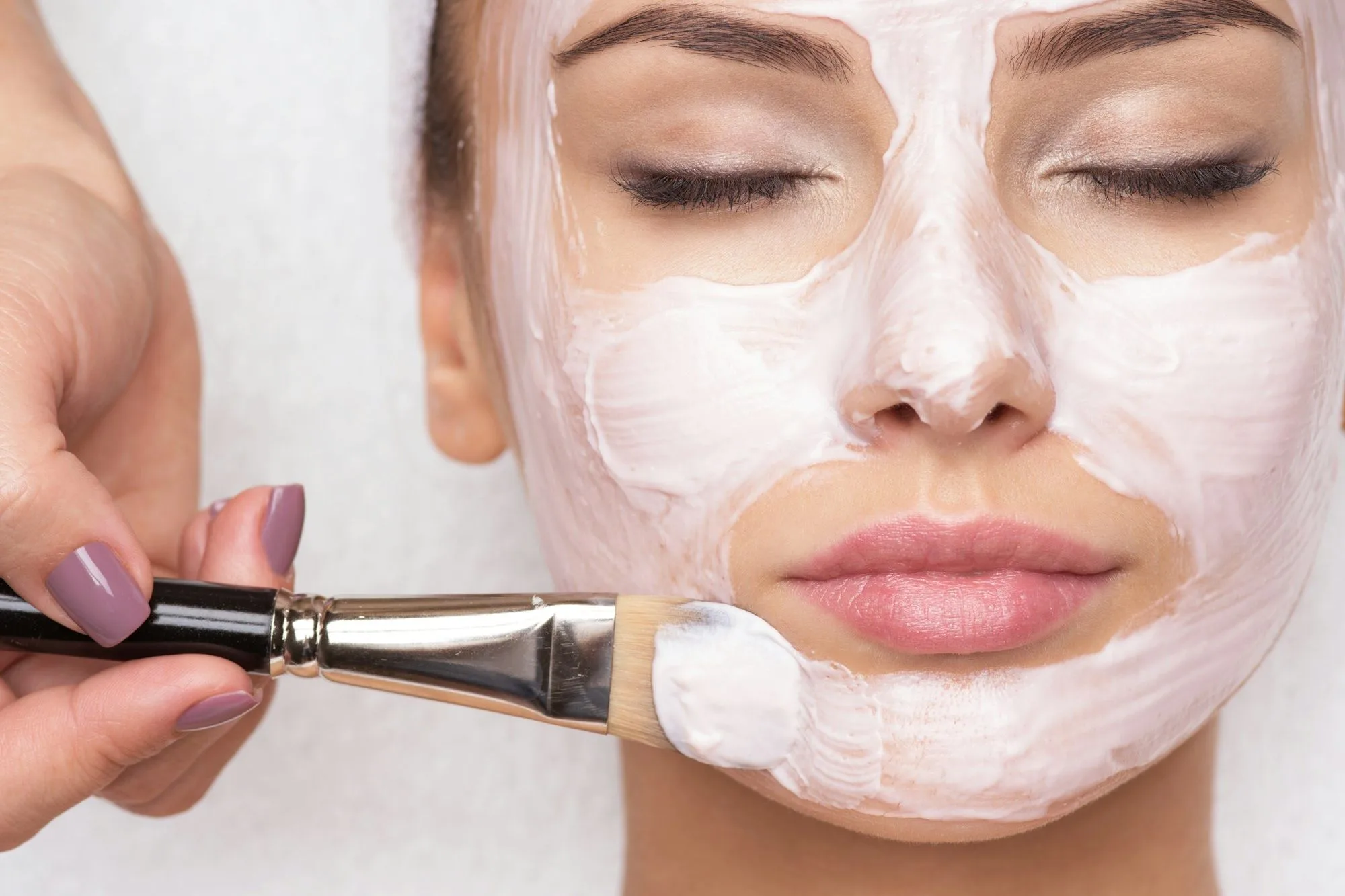
The first is the resurfacing mask. This is the fire. It goes to work on dull surface skin, congestion and the early signs of fine lines. It warms, it tingles, and for a few minutes it is genuinely intense.
The second is a cooling, hydrating mask. This is the ice. It calms everything down, puts moisture back in, and leaves skin feeling tight and bright rather than raw.
That contrast is the entire design. The heat does the work and the cold makes it bearable.
What the fire part actually feels like
Warmth that builds, then a strong prickling tingle, then a plateau, then it eases off.
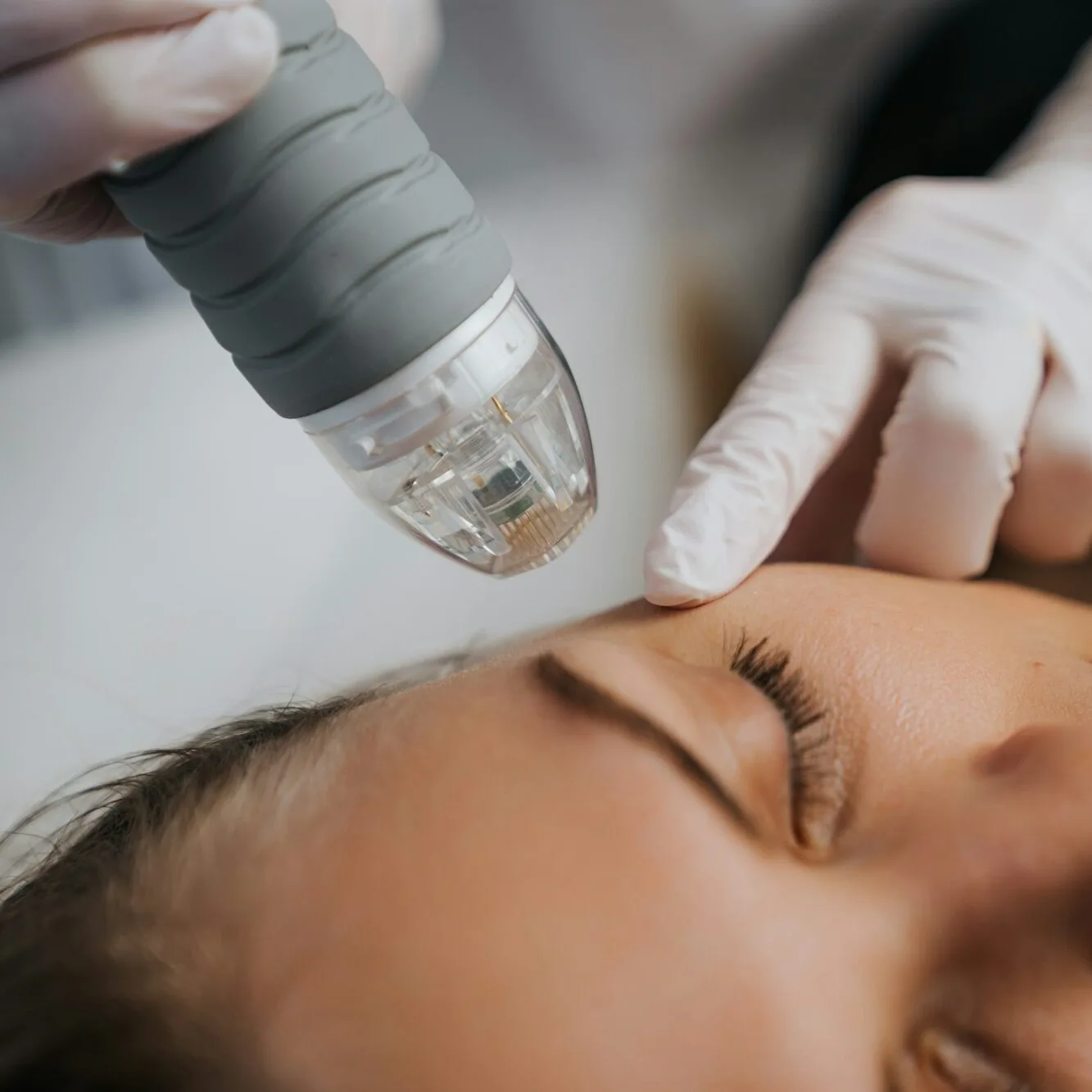
Most people describe it as heat spreading across the face, strongest over the cheeks and forehead. It peaks somewhere in the first several minutes and then settles. Your esthetician stays with you and uses a fan, which helps more than you would expect.
It is uncomfortable rather than painful. Nearly everyone finds it very manageable once they know it is coming, and a fair number of regulars come to enjoy it. The people who struggle are almost always the ones nobody warned.
If at any point it is too much, you say so and it comes off. That is not the treatment failing. It is why somebody stays in the room with you.
Why it gets booked before events
Because it resurfaces without asking for anything in return.
A chemical peel keeps working for days, and at medium strength or above it usually brings visible flaking. That is a fair trade for the depth it reaches, but it means planning your calendar around your face.
Fire & Ice does a good deal of that surface work inside an hour and then leaves you alone. Nothing to wait out, no redness to schedule around. Most people go straight back to work or out afterwards, and you can wear makeup the same day.
Which is why the bookings cluster around weddings, photo shoots, reunions and first days at new jobs.
How it differs from a chemical peel
Both resurface. They do it on different timescales and to different depths.
A peel is chemistry that carries on after you leave. You choose the strength, and the stronger you go, the more it can shift stubborn pigment and texture, and the more downtime it asks for.
Fire & Ice is a single session with an immediate visible result and effectively no recovery. It will not do what a course of medium-depth peels will do over three months. It is not trying to.
If your goal is an event next week, this is the one. If your goal is changing your skin over a season, ask about peels instead, and we will be straight with you about which is the better use of your money.
When to book it
Anywhere from the day before to a week ahead works well.
Two or three days out is the sweet spot for most people, which gives skin a night to settle into its best. If it is your first time and the occasion genuinely matters, book one a couple of weeks earlier so you learn how your own skin responds. Everybody is slightly different, and you would rather find that out on an ordinary Tuesday than the morning of.
Who should tell us first
Mention it before you book if you are pregnant or nursing, take or recently took Accutane, get cold sores, have very reactive or rosacea-prone skin, have had recent sun or a spray tan, or use retinoids.
Several of those change the timing rather than rule you out. It is a short conversation, and much better had before you are on the table.