Everyone celebrates the first week the highs drop below 90. Then about two weeks later, half our clients come in with skin that feels like paper.
Same thing every November.
What changes
Relative humidity in the Valley drops through the fall and often sits in the teens through winter. That is drier than most desert averages people quote.
Then everyone switches from air conditioning to heat, which dries indoor air further.
Meanwhile the temperature drop makes people take longer, hotter showers. Hot water strips lipids from the skin barrier efficiently.
And sunscreen use falls off a cliff in November, which does nothing for dryness directly but means the UV damage keeps accumulating quietly while you are focused on the flaking.
Dry versus dehydrated
Worth separating, because the fix is different.
Dry skin lacks oil. It is a skin type. It feels rough, flakes, and never gets shiny.
Dehydrated skin lacks water. It is a condition and anyone can have it, including oily people. It feels tight, looks dull, shows fine lines more, and often produces more oil in response.
Most November complaints in Phoenix are dehydration, not dryness. That is why people slather on a heavy cream and still feel tight an hour later. You put oil on a water problem.
What actually helps
Humectants first, occlusives second. Hyaluronic acid or glycerin on damp skin, then something to seal it in. Order matters. Hyaluronic acid on dry skin in a dry room can actually pull water out of your skin.
Stop over-exfoliating. Flaking looks like it needs scrubbing. It does not. Flaking on dehydrated skin means the barrier is compromised, and exfoliating it makes the flaking worse in a loop that people stay stuck in for months.
Shorter, cooler showers. Not a satisfying answer and it works.
A humidifier in the bedroom. Cheapest intervention on this list and the one most people skip.
Back off actives temporarily. Retinol frequency down, acids paused, until the barrier settles.
Where a treatment fits
The problem with flaking skin is that dead cells sitting on the surface prevent anything you apply from absorbing. So you moisturize, it sits on top, nothing changes.
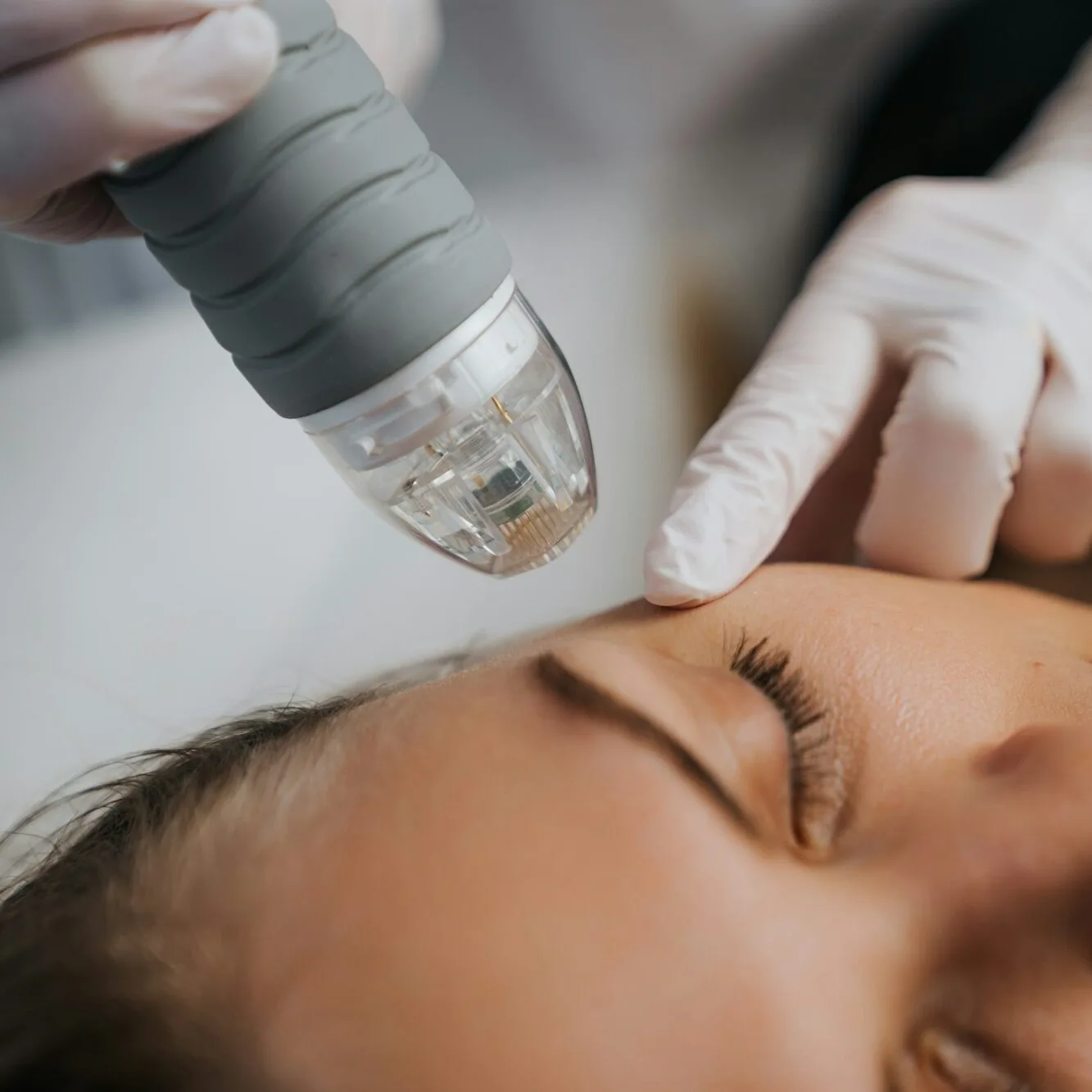
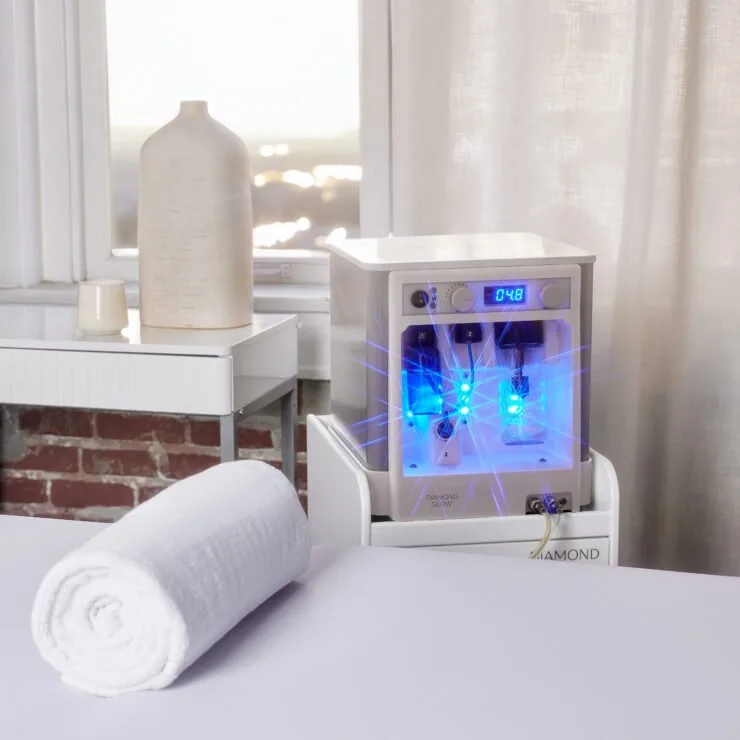
DiamondGlow handles that in one pass: it resurfaces with a diamond tip, extracts by suction, and infuses a hydrating serum into skin that has just been cleared, all without heat or manual pressure.
For dehydrated November skin, that combination does more in 40 minutes than two weeks of layering product on a surface that cannot absorb it.
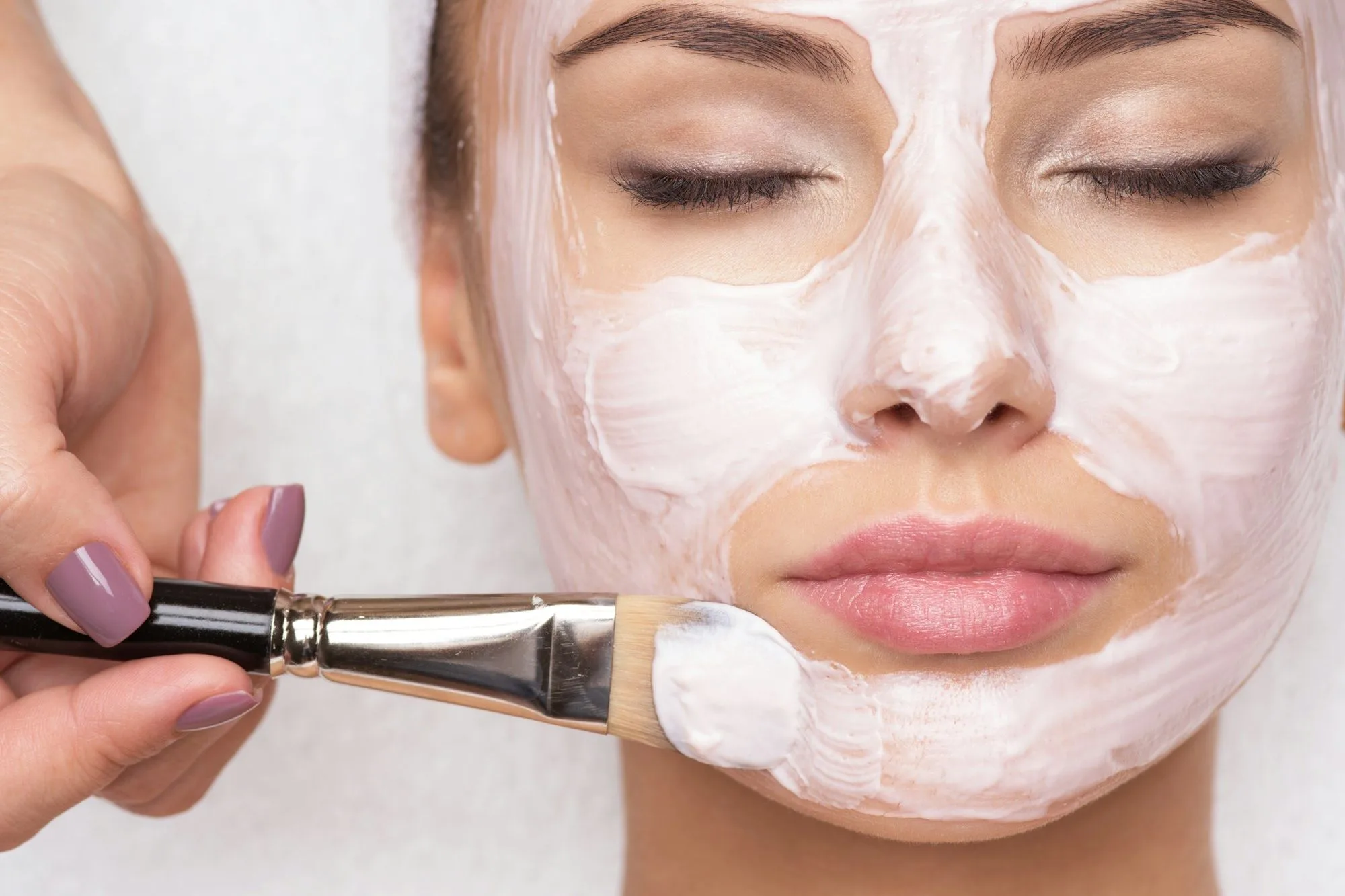
If your skin is genuinely irritated rather than just dry, a calming signature facial is the better first step and we will tell you so.
DiamondGlow starts at $190. Facials start at $59.
Cadence for winter
Every four to six weeks through the dry season. Monthly if you are prone to it.
The people who stay comfortable November through March are the ones on a schedule, not the ones who come in once in February when it gets bad.
Book a treatment
Schedule a DiamondGlow in North Phoenix.