Fair question, and we hear it every July. Why would anyone in Phoenix pay to sit in a hot box?
Because standing in a parking lot at 115 degrees and sitting in an infrared sauna are not the same thing, and the difference is not just comfort.
Ambient heat versus infrared
A traditional sauna heats the air, and the air heats you. Same principle as a Phoenix afternoon, just more concentrated.
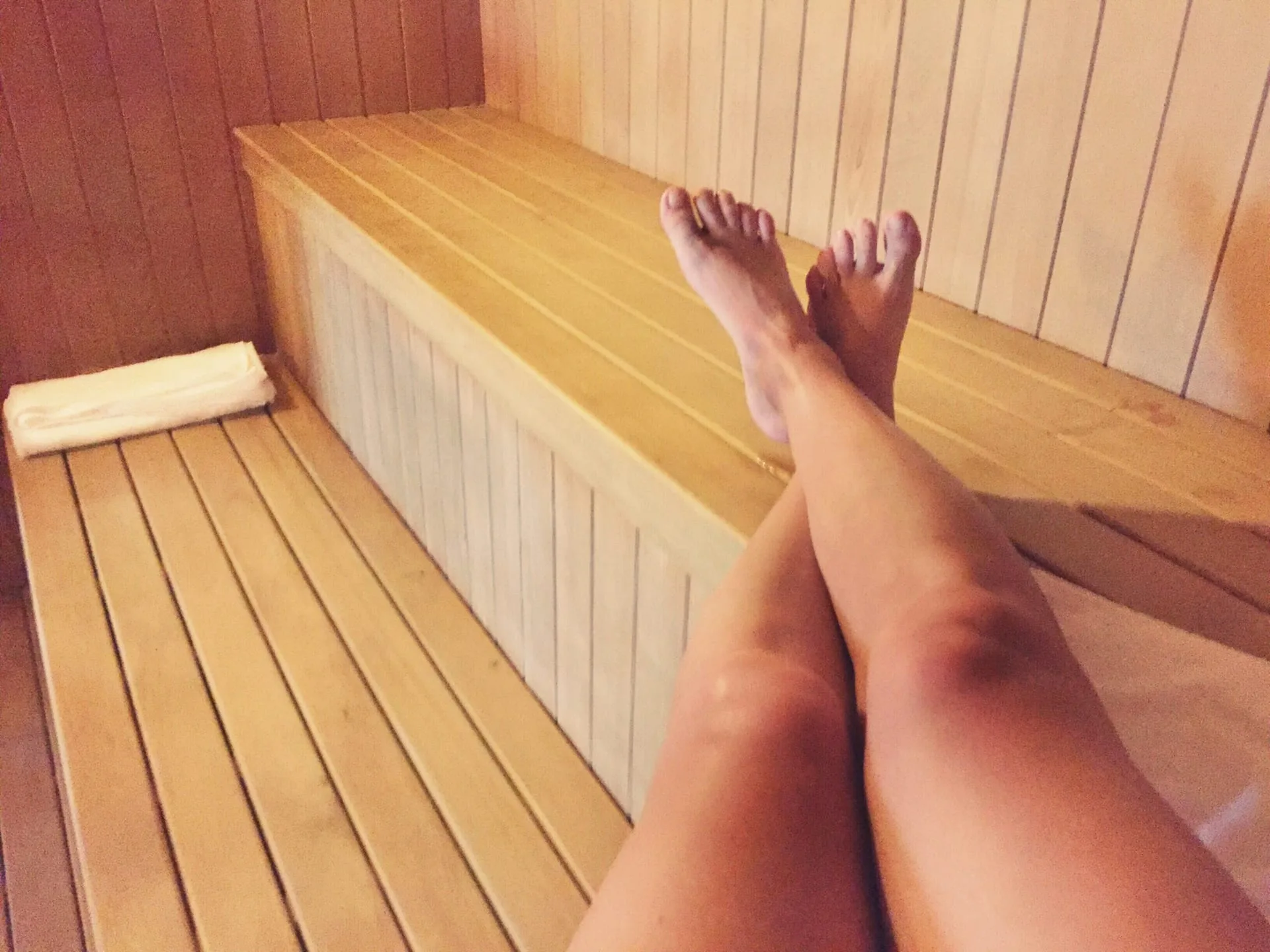
Infrared skips the air. It emits wavelengths that your body absorbs directly, which raises your core temperature at a lower ambient air temperature. Our cabin runs meaningfully cooler than a traditional sauna while producing a deeper, more sustained sweat.
That means you can stay in for 30 to 45 minutes instead of tapping out at 12. Duration is where most of the benefit lives.
What a session does
Cardiovascular load. Heart rate climbs into a light aerobic zone and stays there. Vessels dilate. It is not a substitute for training, but it is real work.
Muscle recovery. Increased blood flow to soft tissue helps with stiffness and delayed onset soreness. This is the reason our post-workout slots fill first.
Sleep. The core temperature rise and subsequent drop afterward tracks with the natural signal your body uses to initiate sleep. Evening sessions are popular for a reason.
The forty minutes. No phone, no screen, no notifications. That is not a mechanism I can cite a study for, and it is still the thing people mention most.
Why summer is not a reason to skip it
Outdoor heat in Phoenix is not restful. It is stressful, it is unavoidable, and you are usually rushing through it with your keys out.
A sauna session is controlled heat, in a cool building, that you chose. Your body responds differently to voluntary heat exposure than it does to being ambushed in a parking lot.
More practically: summer is when people stop moving here. Outdoor activity drops off a cliff in July and stiffness follows. A sauna session and a stretch is a reasonable substitute for the walk you are not taking.
Pair it with cold
The best use of our setup is contrast. Sauna, then cold plunge, then repeat.
Fifteen minutes hot, two minutes cold, two or three rounds. End on cold for alertness or heat for sleep.
That vessel dilation and constriction cycle is where much of the recovery effect sits, and it is more interesting than either one alone.
Sessions start at $40. The $149 monthly membership covers daily sauna, plunge, hot tub, red light and compression, which makes sense if you are coming more than once a week.
Hydrate before, not just after
You will sweat a lot. Drink 16 to 20 ounces before you get in and bring water with you. Electrolytes matter more than plain water if you are doing longer sessions.
If you have been outside all day already, you are starting behind. Consider an IV drip instead, or before.
Who should ask a doctor first
Pregnancy, cardiovascular conditions, uncontrolled blood pressure, and any medication that affects your ability to sweat or regulate temperature. Some blood pressure medications and antihistamines qualify.
Never use a sauna after drinking.
Book a session
Reserve an infrared sauna session in North Phoenix.