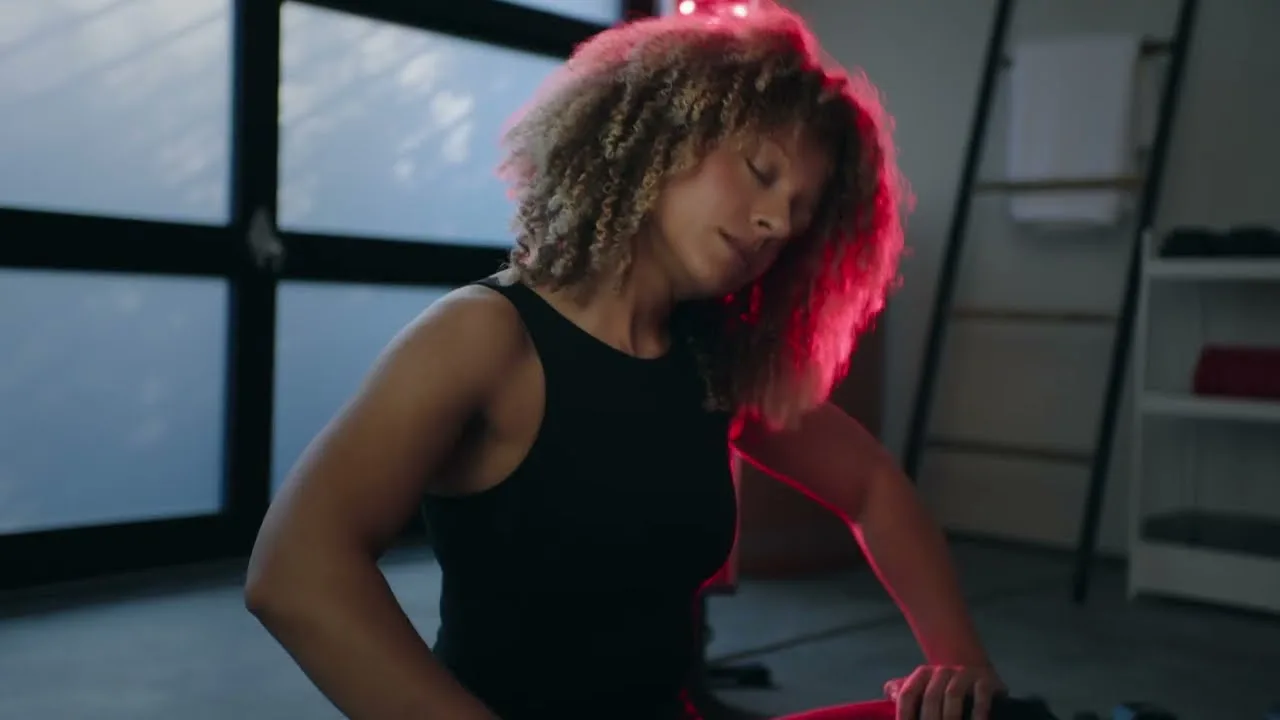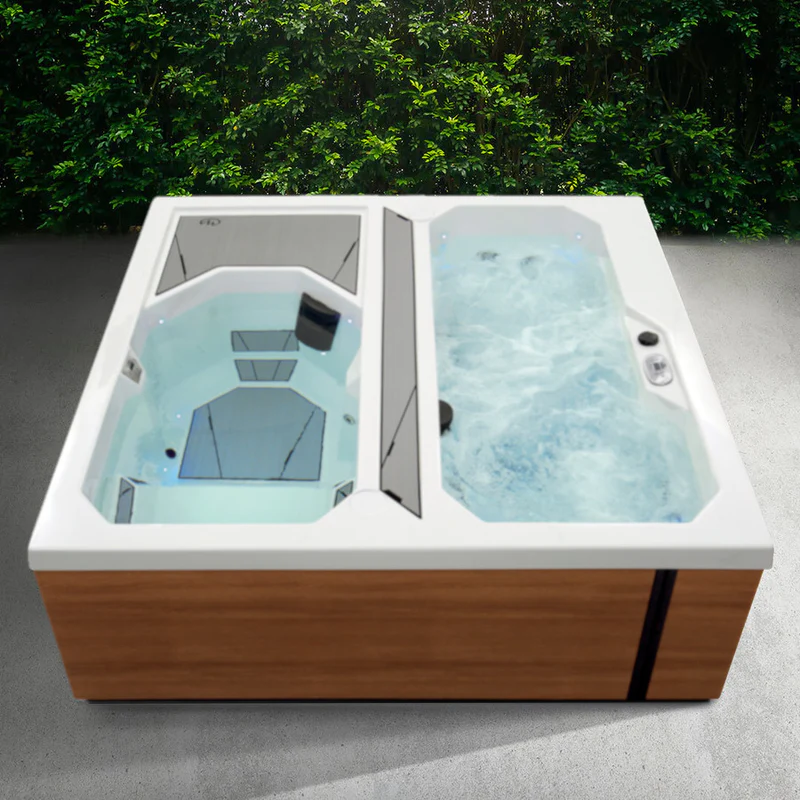
There is a specific look people get about four seconds into their first plunge. Eyes wide, shoulders up around their ears, a sound that is not quite a word.
Then somewhere around forty seconds, it flips. Breathing evens out. Shoulders drop. That is the part people come back for.
What actually happens to you
Cold water on the skin triggers a fast sympathetic response. Blood vessels constrict, heart rate spikes briefly, and you get a hard rush of norepinephrine.
That is why the first thirty seconds feel like panic. Your body is doing exactly what it evolved to do.
Then it adapts. Vessels stabilize, breathing slows if you let it, and you get the alert, clear-headed state that follows. That elevated norepinephrine hangs around for a while, which is why people report better focus for hours afterward.
On the way out, vasodilation kicks in as blood returns to the extremities. That is the warm flush.
Doing your first one
Get in slowly but do not hover. Standing on the step negotiating with yourself makes it worse.
Control your exhale. Long exhales, slow. Your instinct will be to gasp. Fighting that is the entire skill.
Shoulders under, hands out if you need to. Hands and feet register cold most intensely. Keeping them out of the water on your first few sessions is a legitimate way to build tolerance.
Start at one to two minutes. Not five. Two good minutes beats five miserable ones, and there is no prize for suffering longer.
Get out under your own power. If you are shivering hard or you cannot control your breath, you are done. That is a real signal, not weakness.
Why summer is the easy entry point
In January, walking from your car to a cold tub is an act of will. In June, when it is 112 in the parking lot, your body is already begging for it.
That is not a small thing. Most people who fail at cold exposure fail at the getting-in part, and summer removes about eighty percent of that resistance. Start now and by winter it is a habit rather than a decision.
Pairing it with heat
Cold alone is good. Alternating is better for most people. A round in the infrared sauna or the hot tub, then the plunge, then repeat. The vessel constriction and dilation cycle is where a lot of the recovery benefit sits.
A reasonable structure is 10 to 15 minutes hot, 1 to 3 minutes cold, two or three rounds, ending on cold if you want alertness or ending on heat if you want to sleep.
Cold plunge sessions start at $25. If you are coming more than twice a month, the $149 monthly membership covers daily plunge, hot tub, sauna, red light and compression, and it pays for itself quickly.
Who should check with a doctor first
Uncontrolled high blood pressure, a heart condition, a history of arrhythmia, Raynaud's, or pregnancy. Cold exposure puts real load on the cardiovascular system. Ask your physician, not the internet.
Do not plunge alone if you have any of the above, and never plunge after drinking.
Try it
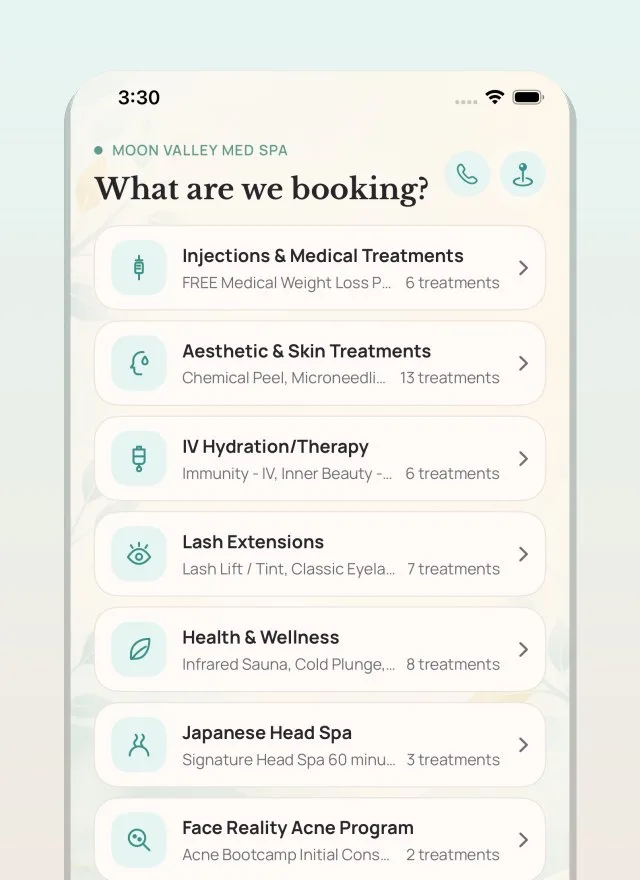
Book a cold plunge session or look at the recovery membership.