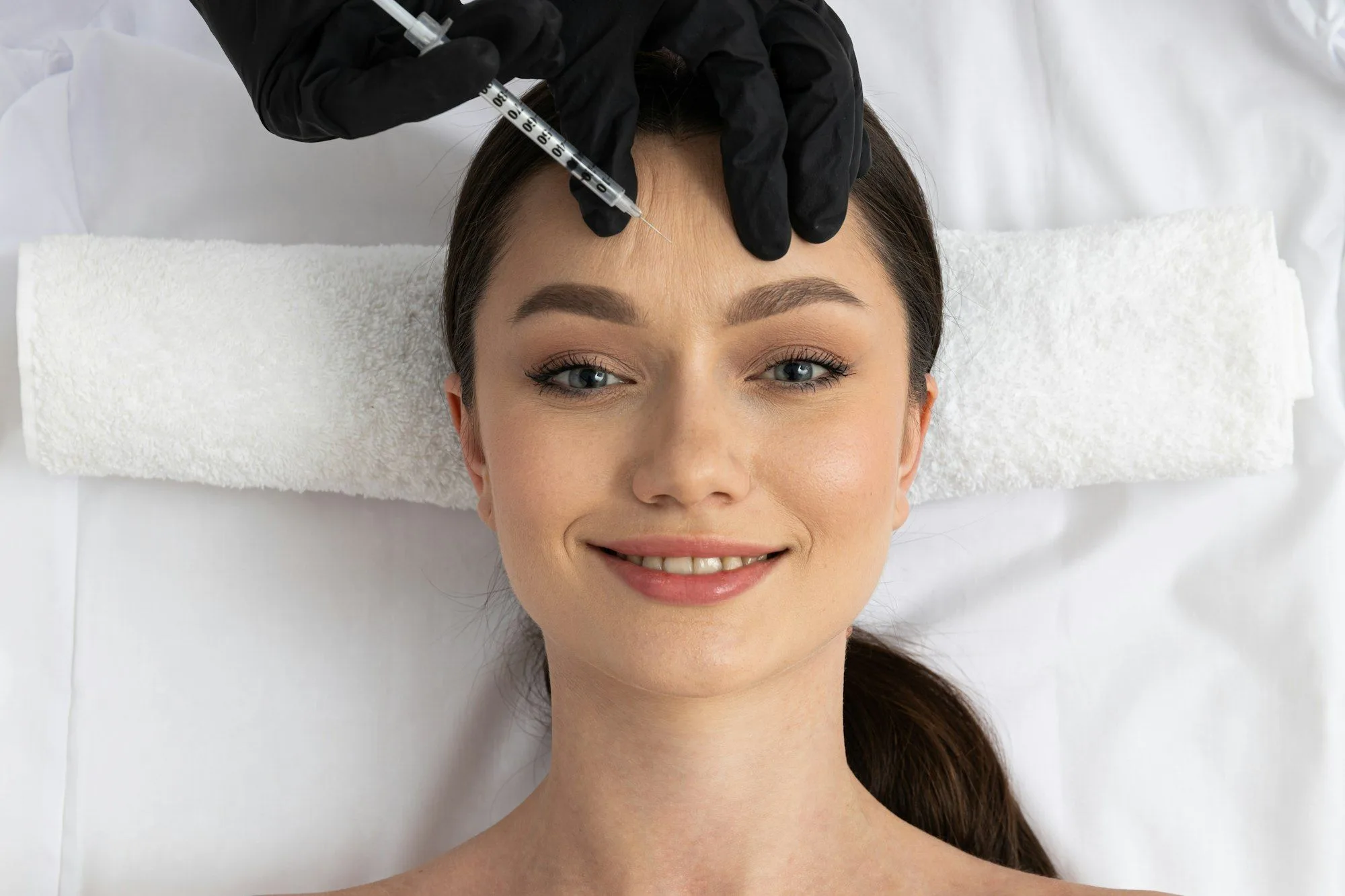
People research a mechanic more thoroughly than they research an injector. Then they sit down in a chair and let a stranger put a neurotoxin in their face because the Groupon was good.
You are allowed to ask questions. Here are the eight that matter, and what a good answer sounds like.
1. Who is injecting me, and what is their license?
You want a licensed medical professional. In Arizona that generally means a physician, nurse practitioner, physician assistant, or registered nurse operating under appropriate medical direction.
Ask who the medical director is. There should be one and you should be able to learn their name.
Bad answer: vagueness, or an explanation of why the question does not matter.
2. How many units am I getting, and what does that cost?
You should get a specific number before anything happens, and a total price.
Per-unit pricing is the transparent model. Ours starts at $10 per unit. Per-area pricing can be fine and it should still be clear how many units that area receives.
Bad answer: we will see how it goes.
3. What product are you using?
Botox, Dysport, Xeomin, Jeuveau and Daxxify are different products with different unit conversions and slightly different onset and duration. You should know which one is going into you.
If a place is vague about the product, or the price seems impossibly low, ask where it was sourced. Counterfeit and improperly imported neurotoxin is a real problem.
4. Where are you injecting and why?
You should get a specific plan tied to your specific muscles, after they have watched your face move.
An injector who has not asked you to raise your brows, frown and squint has not assessed you.
Bad answer: the standard forehead package.
5. How will you keep my brows where I want them?
This is the question that separates skilled injectors from adequate ones.
Forehead treatment without accounting for brow position causes heaviness and drop. Everyone's anatomy is different and the plan should reflect yours.
You want to hear a specific answer about your brow, not a general reassurance.
6. What happens if I do not like it, or if it is uneven?
Correct answer: come back at two weeks and we will assess and adjust.
Slight asymmetry at two weeks is normal and fixable with a few units. There should be a follow-up policy and it should be included or clearly priced.
Bad answer: that will not happen.
7. What are the risks, and what would you do about them?
You should hear about bruising, temporary heaviness, eyelid or brow drop, and headache. Drop is uncommon, it resolves as the product wears off, and there are drops that can help in the interim.
An injector who tells you there are no risks is either inexperienced or not being straight with you.
8. Am I actually a good candidate for this?
The best answer you can get is sometimes no.
If your lines are static rather than dynamic, Botox alone will not do much. If you want volume restored, that is filler. If your concern is texture or laxity, that is microneedling or Morpheus8.
An injector willing to tell you that you do not need what you came in asking for is the one to trust.
Two more things
Look at their work. Ask for before and afters of real patients, ideally with faces similar to yours.
Notice whether they rush you. A consultation should take fifteen minutes minimum. If you feel processed, leave.
Come ask us these
Book a Botox consultation and bring the list.